Patched! ‘I’m starting a “wardrobe strike” but is there any point in completely boycotting fashion?’
Patched helps someone who has pledged not to buy any new clothes for a year - how to make it political instead of personal.

Patched is a new members-only series where people can write to me with a fashion (or fashion-adjacent) question that's bothering them, and I will reply with a 300-400 word letter from an anti-capitalist perspective.
I have chosen the title Patched as reminder for me that at this critical time we need repair and regeneration as well as analysis. I will keep unpicking and unravelling the fashion industry but with Patched I want to make space to explore mending - solutions to both personal and structural problems, occasionally with the aid of expert witnesses.
Is there something you would like to ask? Email me DearPatched@proton.me
Patched - No new clothes for a year? How to make it political
Dear Tansy,
I am in the middle of reading your Anti-Capitalist Book of Fashion and finally feel a lot of things making sense, yet also a painful process of waking up. Ever since i was old enough to buy my own clothes I have been going for second hand and was (still am?) proud about the fact that my wardrobe is 99% second hand clothes. Recently though I have been feeling a bit off about my consumption, noticing that I buy A LOT of stuff, always justifying it to myself by the fact it already exists and wasn’t produced just for me.
I want to change so I have pledged to not buy any clothes for a whole year - a long time considering my usual rate – in the hope that I will value what I have much more. But I also already feel the pressure: I will see the trends change over the year and not be able to keep up with them. That scares me, even though by reading your book I now understand the underlying mechanisms.
My questions for you are: Do you even think it’s a good idea? Is there something you want me to consider before, during and after this year? Should I even give away some of my clothes, knowing that I was only able to buy them with quite a big portion of cognitive dissonance? And do you think there is political potential in a “consumption strike”?
Thank you for your answer and your work in general, Lin from Germany
Dear Lin,
Thank you for your letter, I suspect it will resonate with a lot of people.
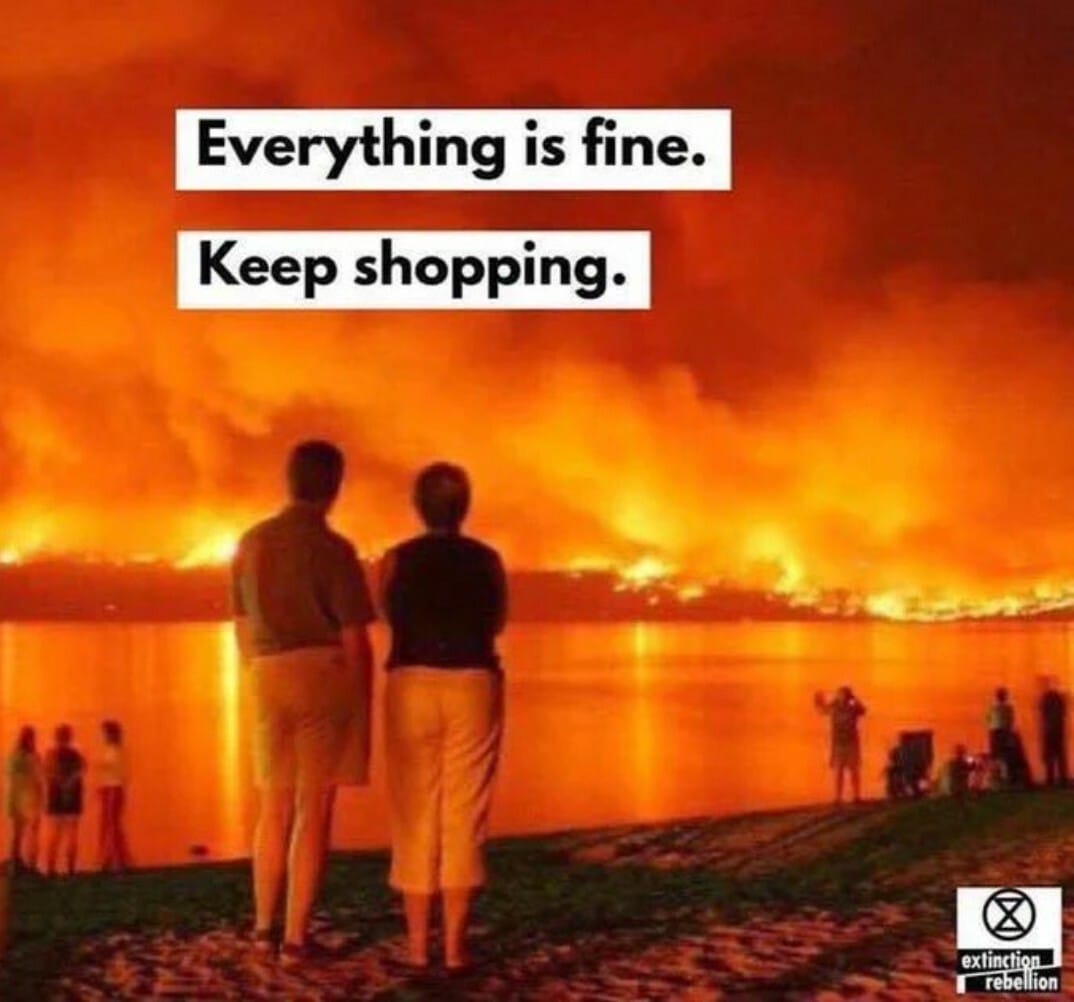
The idea of a total fashion fast, as popularised by Extinction Rebellion, involves no shopping for twelve months. If you decide to go for it then remember total bans are hard. There is nothing more tempting than forbidden fruit – for a while at least you might want new clothes more because you have told yourself you can’t have them.
I would also develop strategies for dealing with strong compulsion. Cut out triggers that make you want to follow trends - Instagram, charity shops or Depop. Learn how to create space for yourself to resist a craving and let difficult emotions pass. Journal or record your experiences.
I once did something called the ‘Six Items Challenge’ – a month with just six items of clothing. You can read about my experience here as it touches on some of the questions in your longer letter like how having a huge wardrobe to give up is indeed a luxury problem.
I found that it was in the most difficult bits of the challenge that I learned the most about myself and about society. I do not, however, want you to feel like you need to punish yourself or cause yourself distress because of your shopping habits. You’ve read my book so you know that the system is the problem, not the people – like you and me – who are caught up in it. I would hold off from making a decision about giving away your clothes until you have completed your year and know what direction you want to go in, otherwise you risk creating a void that you long to refill.
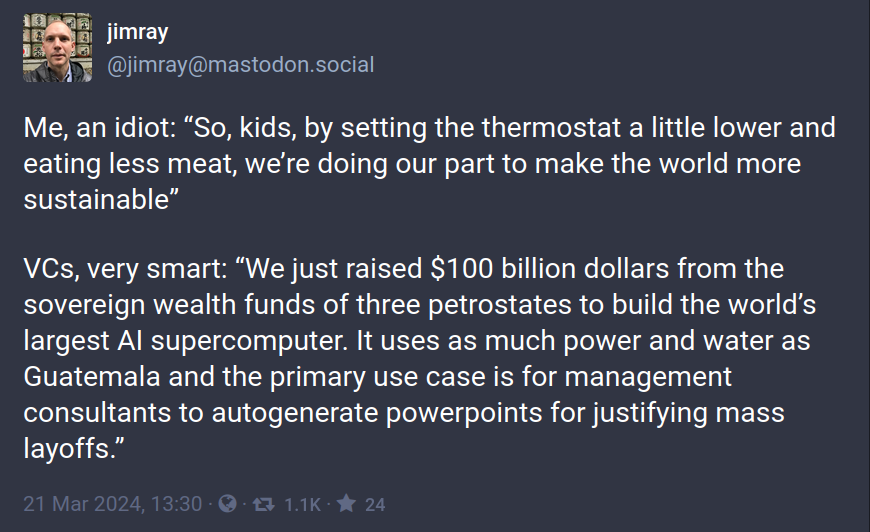
Most importantly though, the “political potential” in these “strikes” comes when we find ways to elevate them beyond just being a personal challenge. The top way to do this is to pledge not just to give up shopping but to contribute the money you would have spent on clothes to garment worker organisations that build workers’ power in the Global South.
This takes your fast beyond individualised self-reflection and makes for a more inspiring conversation with all the people who will ask what you are doing. Typically long standing labour rights groups do not call for boycotts of clothing companies unless the workers in the supply chains call for it, and with good reason, as boycotts can easily become counterproductive.
Helping to build workers' power is also important because while you can refuse to participate in the system, unless you overthrow it, it will still be there just the same when your year ends.
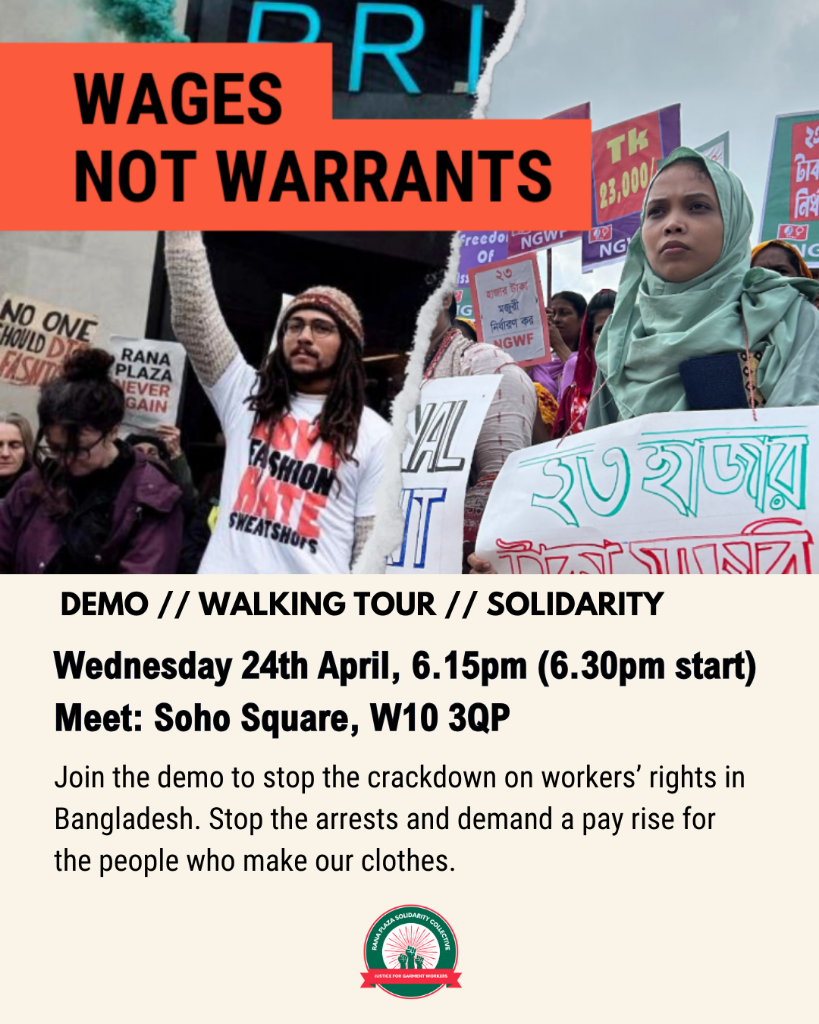
It’s up to all of us to immerse ourselves as deeply as possible in solidarity work with Global South unions through local anti-sweatshop campaigns (like Clean Clothes Campaign groups in Germany). You’ll find there is nothing better for bringing clothing into sharp focus as a damaging industrial product and making the lives we lead meaningful. So much of the garment industry is on fire at the moment – Bangladesh, Sri Lanka, Haiti… There is an urgent need for people to pick a struggle and join in.
It is in practical solidarity work that we see that the struggle for workers rights, and for a clean, safe garment industry, is not found in our own personal wardrobes. But your personal wardrobe can be a launch pad for joining a vital political struggle for a world where everyone is respected and valued.
In solidarity, Tansy.
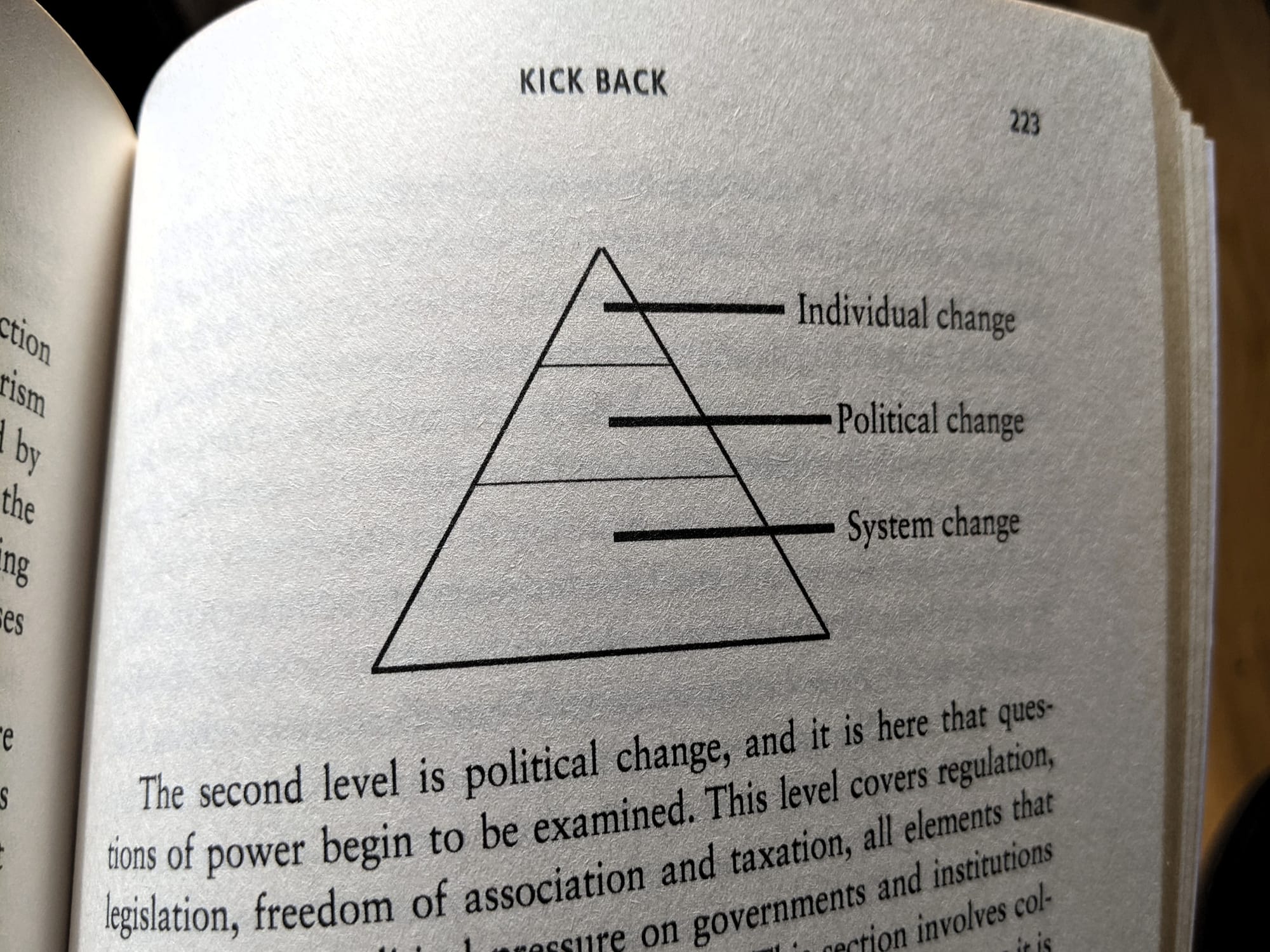
p.s. For more on this topic I recommend Chapter Ten of my book Foot Work where I developed the Triangle of Change which includes individual, political and system change and how they interlink:
I would love to hear your questions: DearPatched@proton.me Include the name you want your question published under and your town or country. I pledge to protect your identity.
If you liked Patched please share, forward, screenshot... if you've been forwarded this and want to keep in touch please subscribe. You'll receive two emails a month - one will be Patched and the other my regular newsletter.
p.s. UK folk 👀 👀 See you on the 24th!