Patched! ‘I need help finding ethical yarn’
Patched helps a reader who loves knitting but hates yarn supply chains

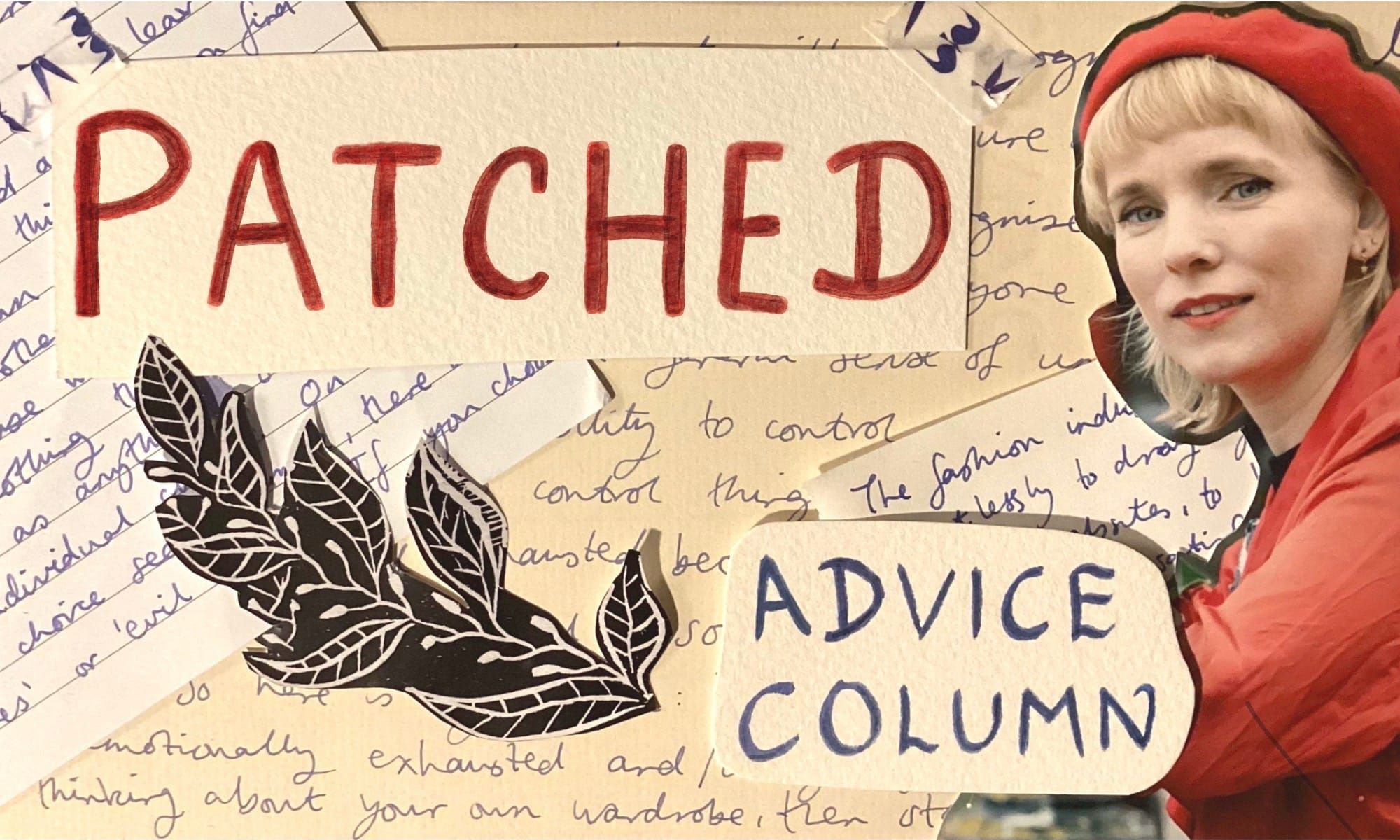
Patched is a new members-only series where people can write to me with a fashion (or fashion-adjacent) question that's bothering them, and I will reply with a 300-400 word letter from an anti-capitalist perspective.
I have chosen the title Patched as reminder for me that at this critical time we need repair and regeneration as well as analysis. I will keep unpicking and unravelling the fashion industry but with Patched I want to make space to explore mending - solutions to both personal and structural problems, occasionally with the aid of expert witnesses.
Is there something you would like to ask? Email me DearPatched@proton.me
Patched - Keep calm and carry yarn.
Dear Patched, Can you please help me out?! I'm taking up knitting to relax but I'm finding the question of which yarn to use ('wool' is the wrong term - first lesson!) a confusing battle. Which would be the most ethical and environmental product to use? Obviously wool is out (animal exploitation) - and so are all synthetic yarns (plastics bad for the planet) - then cotton isn't good either (too much water use). I've even thought of using old jumpers by undoing the yarn. What should I do? 😫 Help!!!!!! From, Emily in North London.
Dear Emily,
Thank you for your letter. There are academic studies (and a world of anecdotes) to show that knitting and craft aid mental health and dexterity skill. I agree though that it’s a big shame if the benefits of this pastime are outweighed by the harm of its supply chains.
In the context of intensive industrial farming, wool from sheep is an ethical and environmental disaster and we need to confront the hard truth of this. Across the industry, male lambs are subjected to one of the most painful castration methods possible – having a rubber ring attached to their testicles to cut off the blood supply. When PETA Asia investigated 25 UK farms they found endemic cruelty – sheep being beaten, stamped on, kicked, thrown around and badly cut during shearing.
Add to this noted environmentalist George Monbiot calling sheep: ‘a fully automated system for environmental destruction.’ More recently, Monbiot wrote ‘Britain’s western hills would, in the absence of sheep, be largely clothed with temperate rainforest, one of the richest and rarest habitats in Europe.’
Then consider that sheep’s wool here in the UK is essentially economically worthless and so fleeces are being burnt or dumped. Sheep farming as a whole makes a loss, propped up by subsidies - ‘taxpayer-funded destruction on an industrial scale.’
So I agree with you - no animal based yarns! Let’s take a stand instead for forests, biodiversity, an end to animal cruelty and a green transition for farmers.
Within the textile industry there is no single material that will transform the world, no magic wand that can be pointed at a 100% issue-free fibre. It feels appropriate, therefore, that the verb knit comes from the Old English word cnyttan, meaning "to tie in a knot." But what I can do is point you in the direction of some really interesting plant-based fibres which warrant further investigation and which hopefully loosen this particular knot:
- Eucalyptus yarn
- Recycled yarns – this is one to dig into and there are vegan options including recycled cotton yarn. Depending on where you stand on recycled wool, I also found one made from 40% recycled wool, 40% recycled acrylic and 30% recycled polyester.
- Yarn made from 75% nettle and 25% banana fibre
- Bamboo yarn, and bamboo + organic cotton mix yarns
- Seaweed yarn. This really captured my imagination! First up I found one with an unclear supply chain (more transparency please seaweed yarn merchants!). Then when I looked more into seaweed fibre as an industry I went up another level of scepticism, but there are interesting seaweed and organic/recycled cotton mixed yarns out there
- Finally a major shout out to hemp and hemp yarn. It has advantages and disadvantages for knitting but of all the plant fibres, if you can find one grown in the country you’re buying it from then it’s an exciting ecological prospect
If you knit something with one of these yarns, or find a solution you want other people to know about, please write back.
In solidarity, Tansy.
p.s I am teaching my Supply Chains Investigations course this summer at the Centre for Investigative Journalism. The last course sold out so grab a seat if it's your cup of tea. Date: 17th July 2024, 14.00–16.00 UK time; via Zoom.
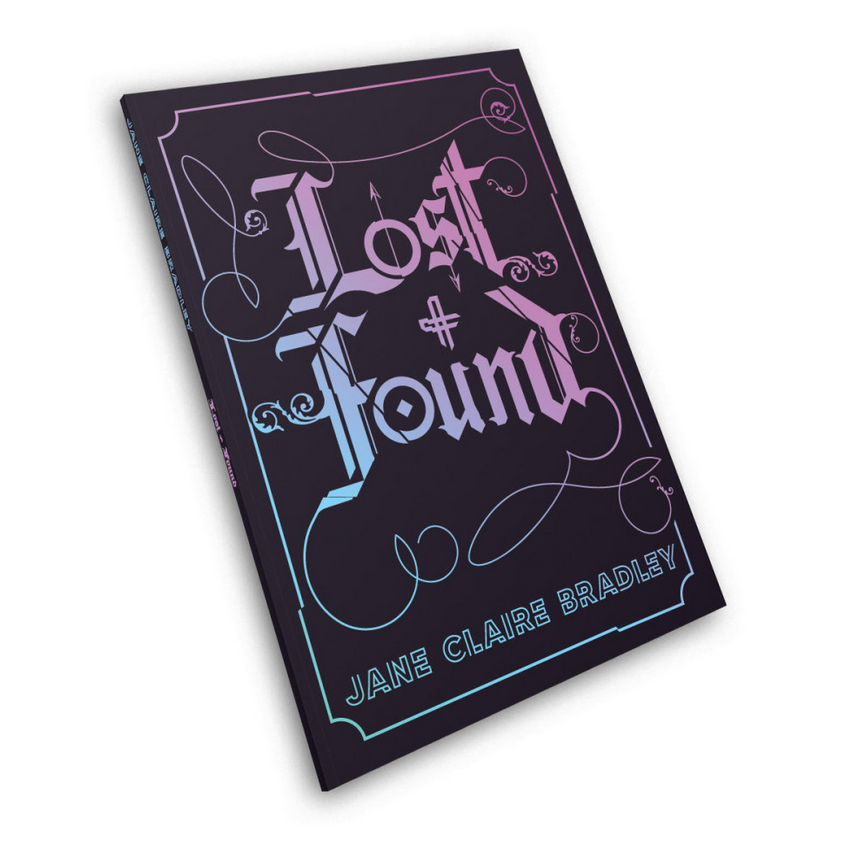
p.p.s Shout out to this new short story collection by the seriously amazing and inspiring award-winning writer and performer Jane Claire Bradley. Exploring themes of memory, loss, nostalgia, grief, liminality and identity, Lost + Found is a strange, unique collection, with Jane’s signature vivid, atmospheric writing of both character and place. From knife-wielding, road-tripping teen queens causing cross-country mayhem to anonymous, enigmatic narrators waxing lyrical about their sex toys via stories set on school buses and in notorious council estate pubs, queer clubs, and TV newsrooms...