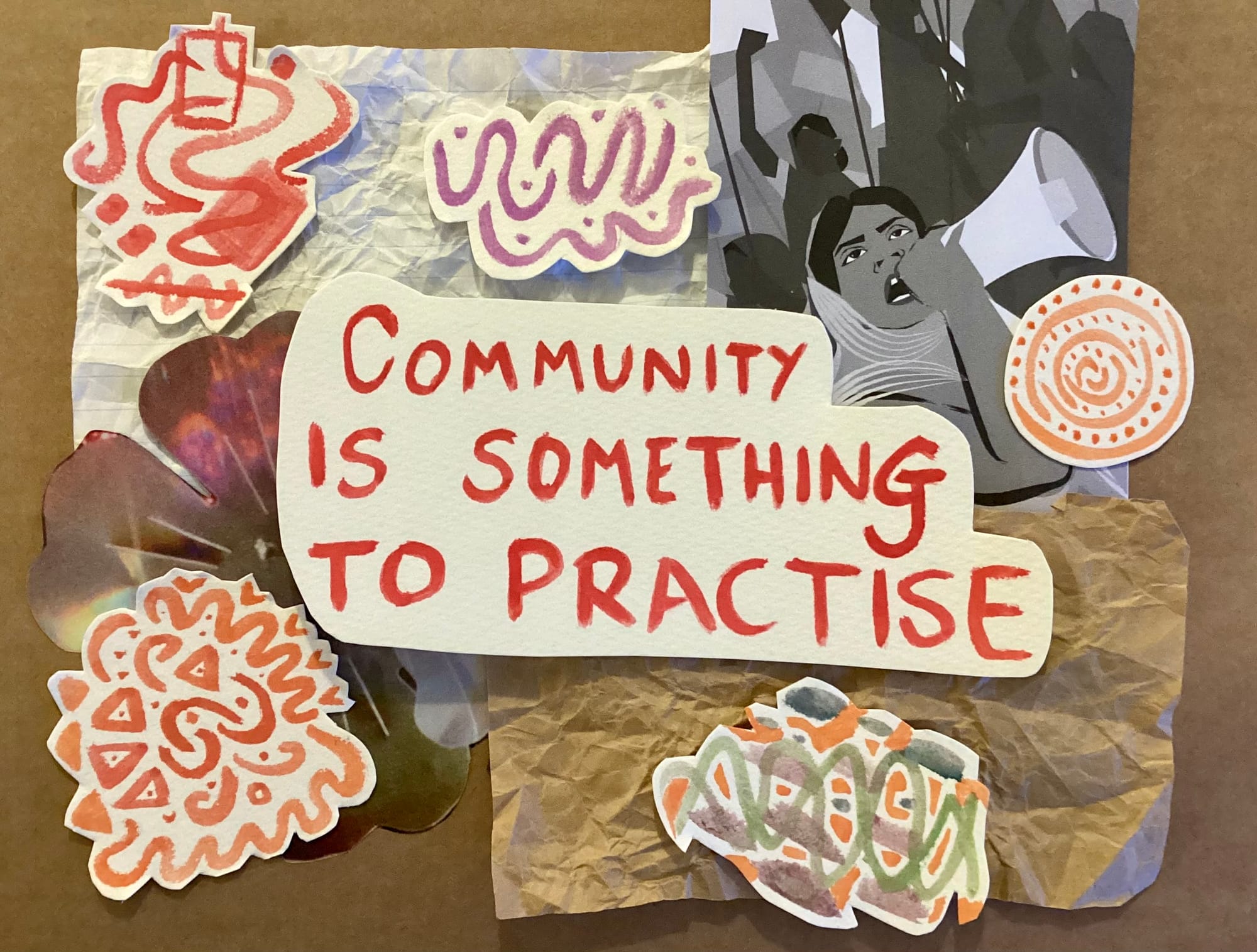
Community is something to practise
A look at revolutions big and small, and what they tell us about countering feelings of hopelessness.

Guest post by Alena Ivanova.
January felt like a whole year on its own. We feel tired. We watch late-stage capitalism eating itself. We watch the curtain fall on the lie of the rules-based global order.
But there is little joy in being proven right, especially when vulnerable communities and workers globally are paying the price. We want to do something, anything to both soothe us, and make us feel less complicit.
Despair is not an option. Instead, there are many stories of resistance with people building something powerful in its wake all around us.
So let’s look at these revolutions big and small, and what they tell us about countering the feeling of hopelessness.
Bangladesh Uprising
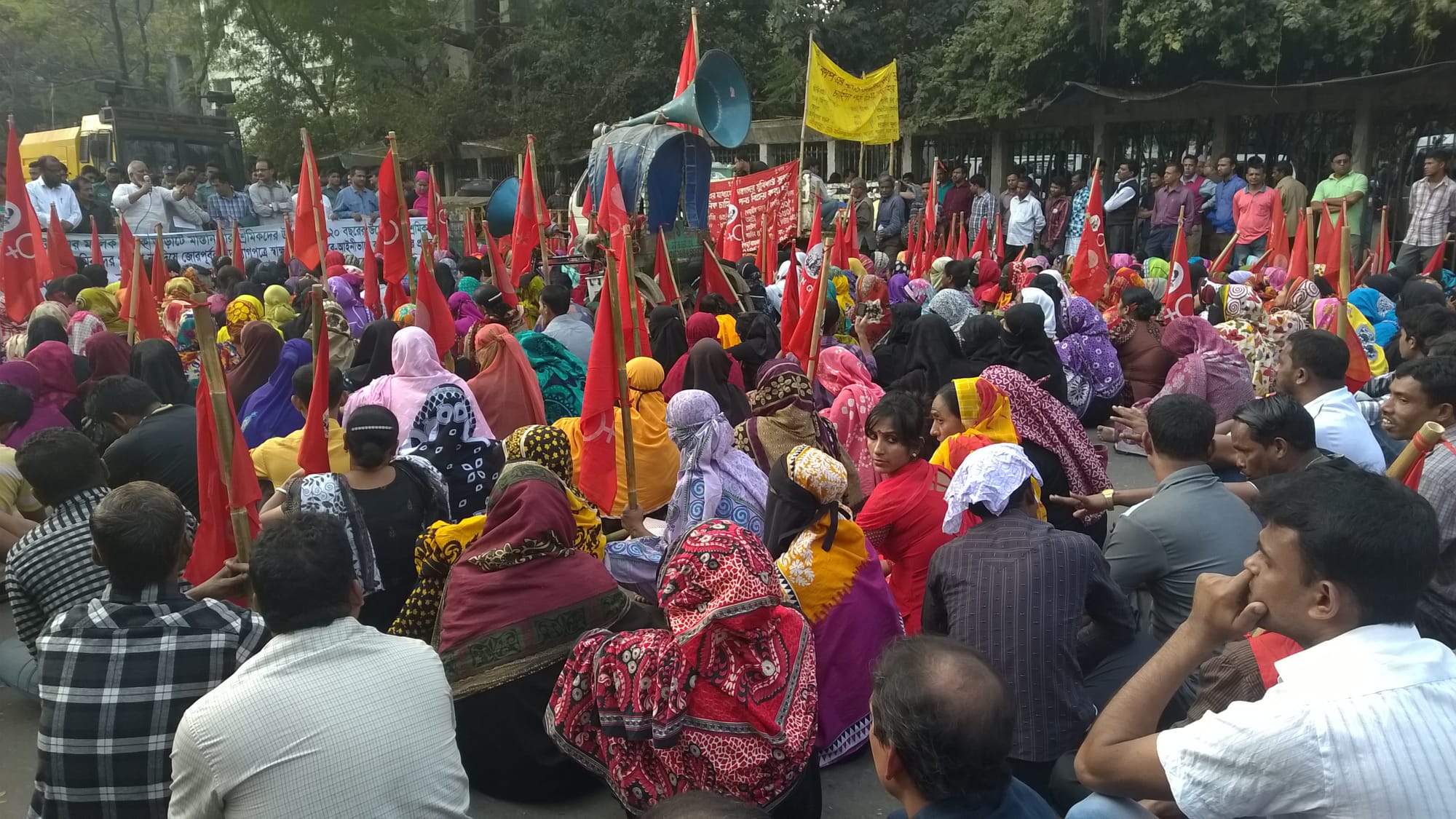
In the summer of 2024 Bangladeshi students and workers showed the world what commitment to justice and democracy looks like. In the face of a brutal regime that continuously rigged elections to consolidate its hold on all levers of power, students began a protest that authorities turned into a massacre. Throughout the summer echoes of the violent repression that the police used against workers protesting poverty wages in the months before were clearly evident. Workers themselves recognised this as common struggle and joined the students’ movement.
In response, Sheikh Hasina ordered an internet shutdown to try and quell the uprising, but by then organising was spreading like wildfire through word of mouth and local communities. Mutual aid networks, providing food, shelter and assistance to injured protesters formed across major cities. The bonds between students, unemployed young people and workers, including thousands of garment workers paved the way to this victory. Together, the people of Bangladesh succeeded. They toppled a despot and ended her reign of suppression of rights.
But democratic revolution that doesn’t address the economic dependency imposed on countries like Bangladesh cannot succeed in the long run. Global south countries play the West’s game only to be used for resources and cheap labour and to compete to incentivise investment that leaves little wealth behind.
On the eve of a truly historic general election in Bangladesh on 12th February, we must remember the 1,400 people who lost their lives in the uprising. As a global movement we must also make sure the next government will learn the lessons of the uprising, and we know that should they need to, the people of Bangladesh are ready to fight for their rights and freedoms.
Minneapolis resists ICE
One minute you’re defending other people’s right to existence and self-determination, and the next your own streets are a sight of mass state repression. This has been the experience of organisers in Minneapolis and across Minnesota, many of whom have come through climate, BLM and Palestine struggles.
But the current community response to ICE, Trump’s storm troopers kidnapping, brutalising and murdering citizens on the streets, has been truly impressive – and instructional. Contrary to what some commentators claim, the escalating violence by ICE agents is not an unfortunate result of under-training, it is a deliberate tactic to instil fear and break the resolve of protestors.
After thousands of citizens signed up to patrol their neighbourhoods, record ICE agents and send out warnings to neighbours, the very act of filming agents became a possible death sentence. This is done to divide the community and make those relatively privileged white Americans who can go home and shut the door to the brutal immigration raids and detention camps do just that. But what Minnesotans understand – and what we must all learn, and learn quickly, is that the bonds of community are all we have. They are our only protection against authoritarianism, against climate disasters, against barbarism.
Antisweatshop Activists Against Apartheid
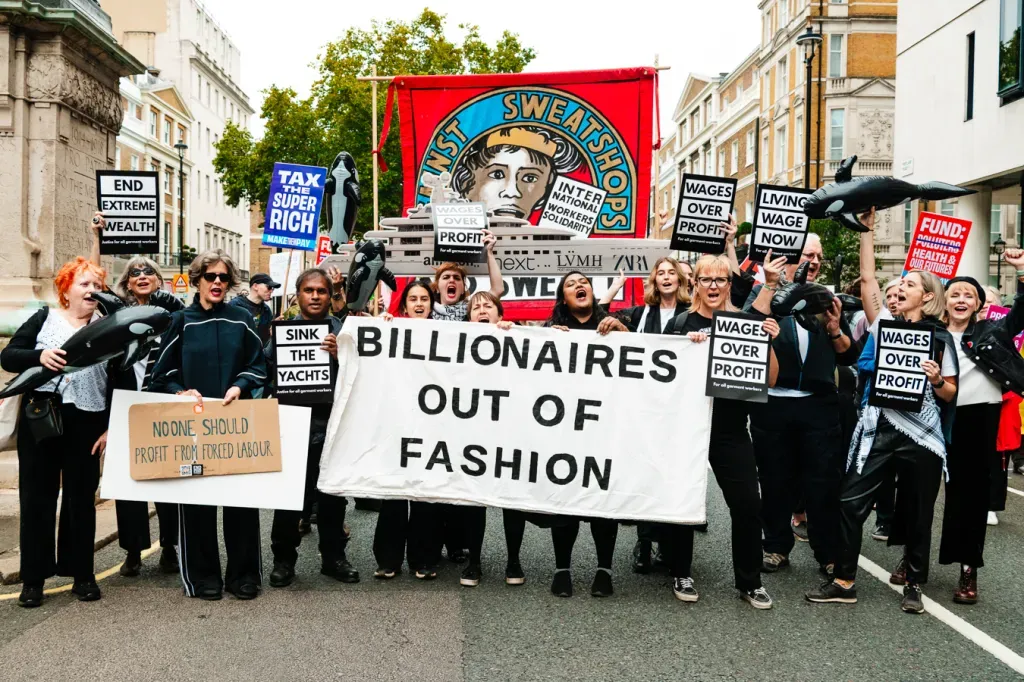
What do you do when your government is complicit in a televised genocide, and you discover your revered democratic system is anything but? You try and unravel the ties to the industry you’ve already campaigned in for years to mobilise the community of people you have towards action authorities refuse to take.
Antisweatshop Activists Against Apartheid, which I'm part of, is exactly what it says on the tin. It is a community of people that have found each other through working for justice in the garment industry, who are now focusing the lens on the gravest injustice of our time: the ongoing genocide against Palestinians, and how fashion dresses it up, funds it and gives cover to it.
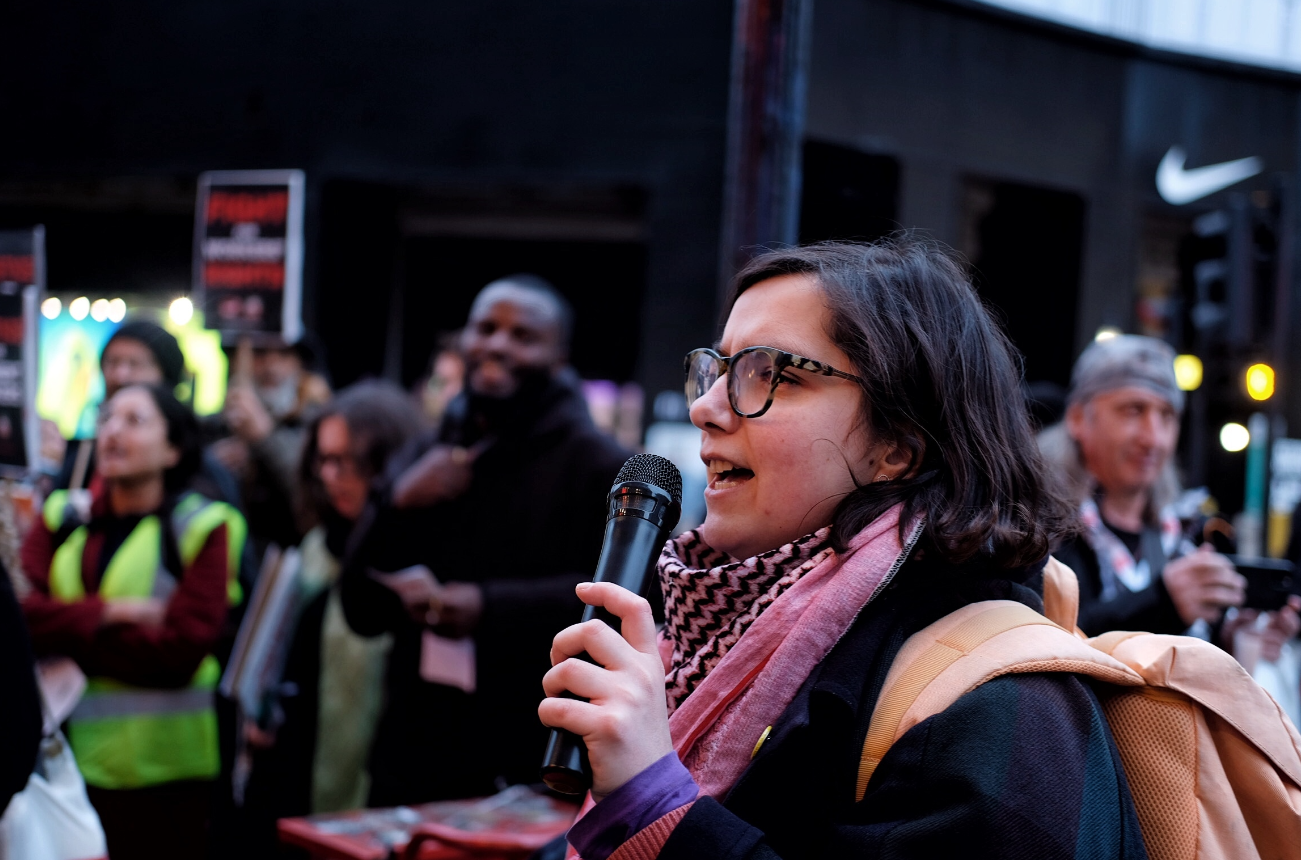
What makes this a real community is the commitment to sharing information, as well as sharing care. AAAA members do collective research, amplify sources and reject gate-keeping. We also recognise that organising against the Israeli state comes with additional threat to our rights to protest and to free speech, and we protect each other accordingly.
Community in practice
What these different examples show us is that community is a practice. It’s not about finding the people that agree with you on everything, and sealing yourselves off in a bubble, as tempting as that might be. In fact, it’s sort of the opposite.
Community is built on sharing what we have and what we know with each other. It is also built through real communication. The online world brings down barriers of distance but erects barriers of control and ownership. If we are serious about meeting the political challenges of today, we have to start by meeting on our own terms and on our own turf – at events, protests, even on the pages of good old print.
Building community is about going out and meeting people, being open to knowing your neighbours and what they struggle with, organising spaces of solidarity and support, so when the time comes (and it will come!) and this connection is needed, the trust is there, even if there isn’t full agreement.
As one of the Minneapolis organisers put it beautifully, ‘It’s like building a muscle of solidarity across race, across class’.
Alena Ivanova is the campaigns lead for Labour Behind the Label, lives in Glasgow and organises in the charity workers branch of the IWGB union. Find her on Bluesky: @alenaivanova.bsky.social
Thank you Alena!
Alena is someone I work closely with at Labour Behind the Label and I loved this article as soon as I read it. People have been asking me lately how I am maintaining hope and I think Alena encapsulates things beautifully - things are tough but people are in motion, building community and a better world. Now is not the time to despair, it is the time to get involved.
I'm so interested in what will happen with the Bangladesh elections on the 12th February. If you want a way into the election - check out Taslima Akhter who is running for election. If you don't know her, you'll know her work on Rana Plaza.
This line from the article below has stayed with me: 'If the ghosts of Rana Plaza could vote, Akhter would already have won.'
 Irfan Chowdhury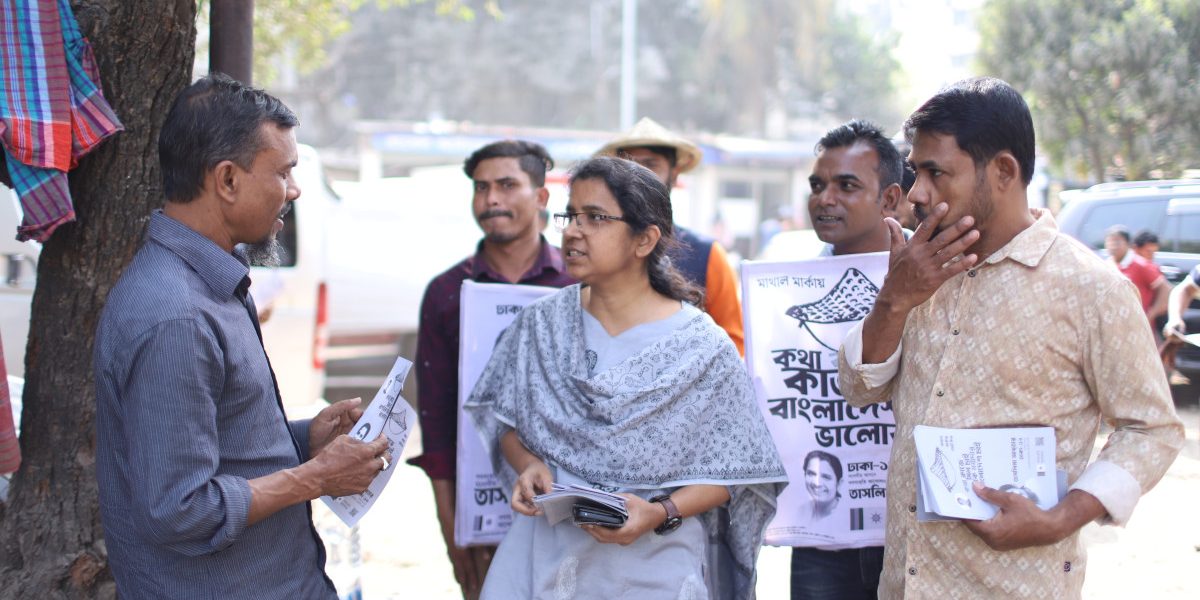
Also, you must seriously have a read of this interview if you haven't already! Study it hard - so much we can learn here, including in the fight against fashion corporations:
 Emilia González Avalos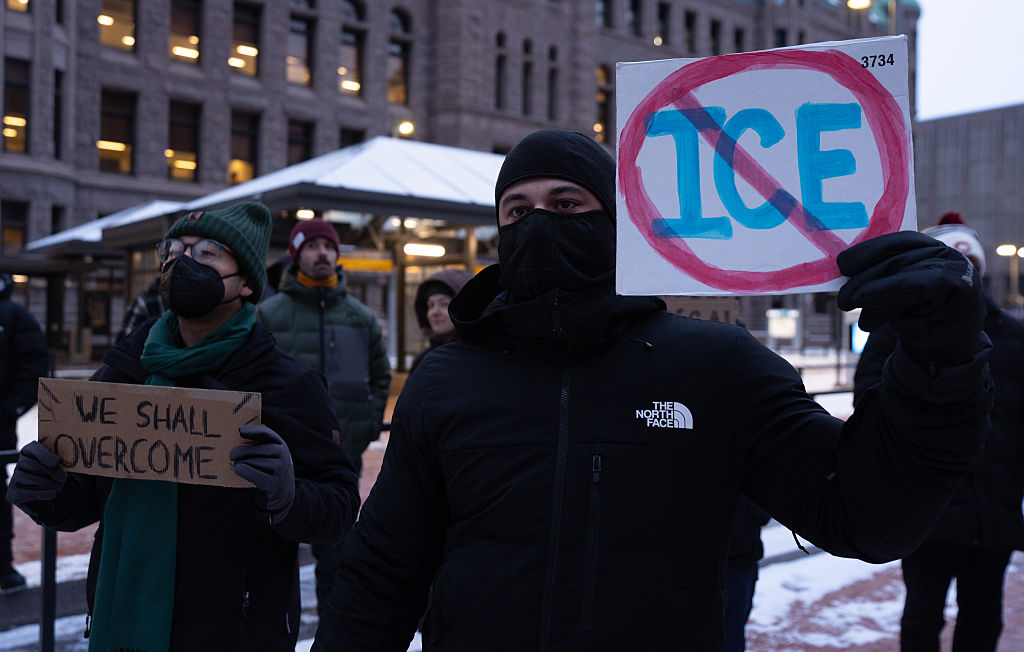
My update is that I am being slammed by work at the moment - wrangling an 85,000 word manuscript on top of a job is no easy task. The copy edit and fact check are pretty much done and the cover designer is hard at work, plus we had the first publicity meeting today. More soon.
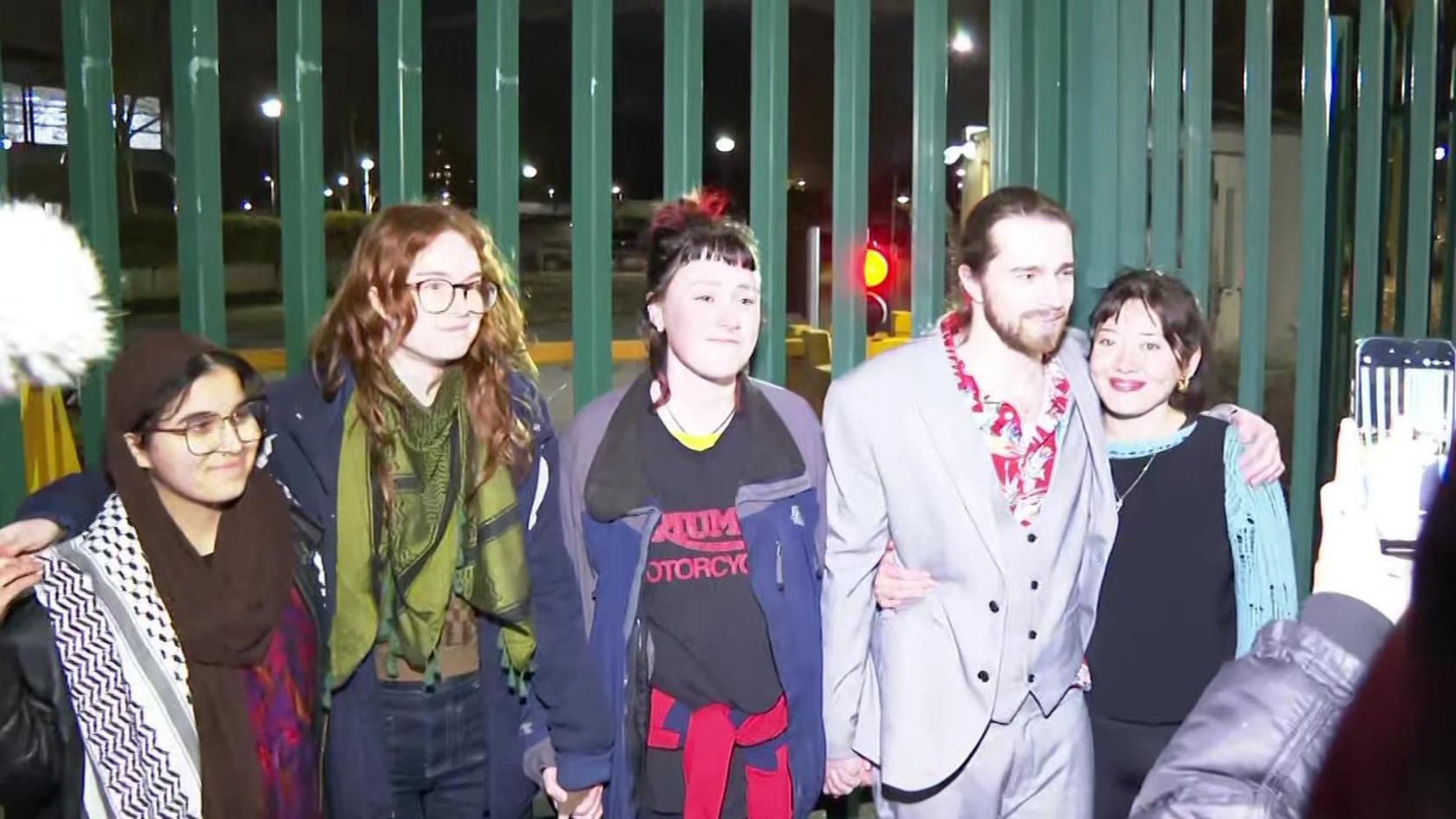
In the meantime I've been practising building community by organising locally in my neighbourhood ahead of the local elections in May, gearing up the Rana Plaza Solidarity Collective for events in 2026, writing to political prisoners and attending a really incredible collage class with the splendid Mel Mitchell-Jackson to rest my weary brain. I want to learn from Mel about making art that is the opposite of AI 'art' and I hope you like the collage below that I made to accompany Alena's article. Long live organic, human art and writing.
In solidarity, Tansy.
p.s. New Patched column coming at the end of the month - that one has a guest author too and we are excited!
p.p.s Another reason to smile:
 FTF
FTF